طبيعية في مظهرها، دقيقة في تخطيطها.
رعاية تعويضية واستشارية لمن يبحث عن نتيجة شخصية ومدروسة تجمع الصحة والوظيفة والتناسق الطبيعي — بعيدًا عن الحلول الجاهزة.
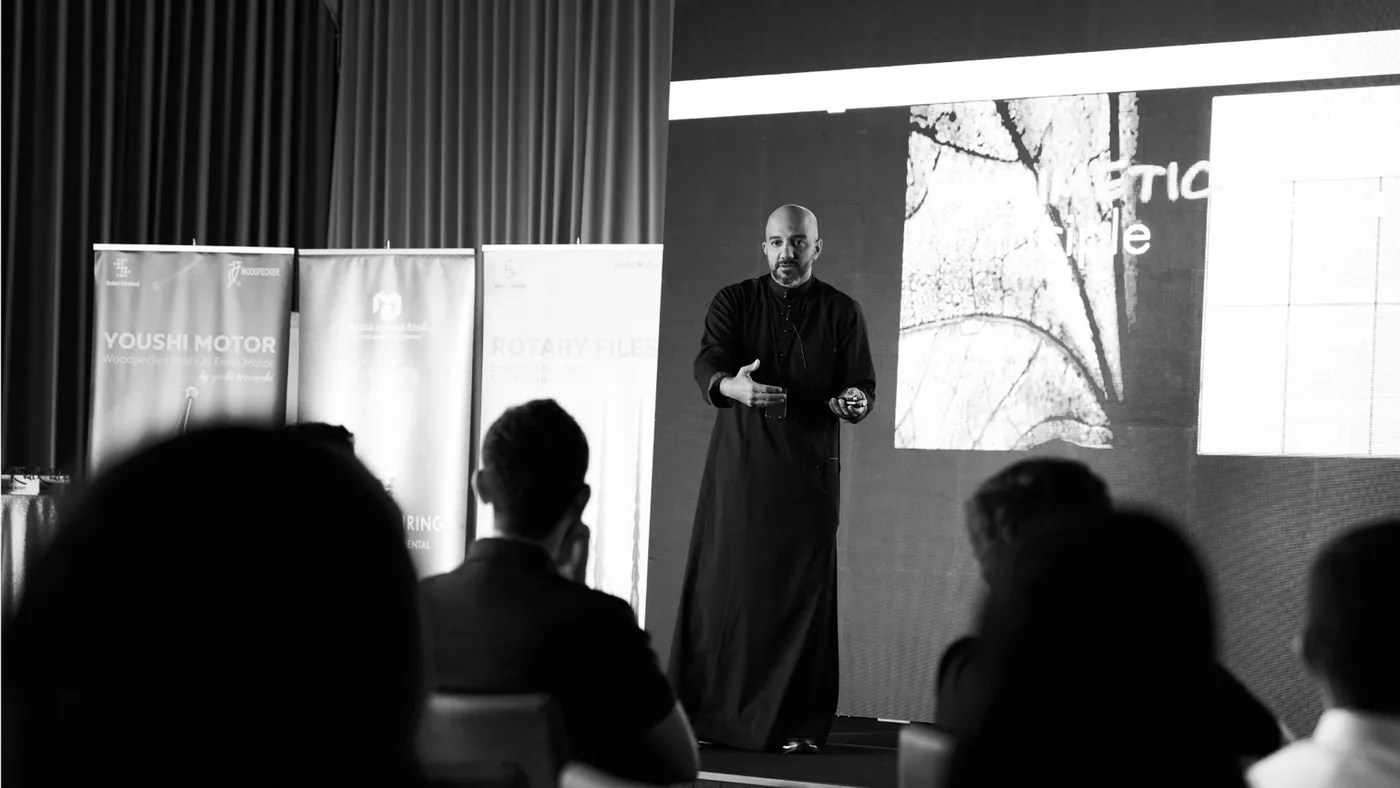
د. جعفر باجعيفر
رعاية استشارية يقودها التشخيص أولًا، ثم تصميم خطة علاجية فردية تراعي وظيفة الأسنان، التناسق الطبيعي وإمكانات العناية طويلة المدى.
خطة مصممة لك، لا قالب جاهز.
لا يبدأ التخطيط من شكلٍ جاهز. يبدأ من بنية الأسنان واللثة والإطباق وملامح الوجه، ثم تُبنى الخطة بما يناسب الحالة الفردية.
الأسنان واللثة والأنسجة الداعمة جزء من التقييم الأولي.
الإطباق والراحة وسهولة التنظيف تؤثر في التخطيط التعويضي.
التناسق مع الملامح وحالة الأسنان يوجهان التصميم، لا قالب موحد.
الرعاية التعويضية المتخصصة
رعاية تعويضية تبدأ من تقييم دقيق وقد تمتد إلى خطة متعددة المراحل، بحسب التشخيص وتعقيد الحالة.
تصميم الابتسامة والعدسات الخزفية
تقييم ملاءمة العدسات للأسنان الأمامية بعد فحص المينا واللثة والإطباق.
التيجان والجسور
ترميم الأسنان المتضررة أو تعويض المفقودة مع مراعاة الوظيفة والمظهر.
التركيبات فوق الزرعات
تخطيط الجزء التعويضي وفق موضع الزرعة والأنسجة والمساحة المتاحة.
إعادة تأهيل الفم والحالات المعقدة
تقييم الحالات متعددة الأسنان، إعادة التأهيل، ومراجعة التركيبات السابقة عند الحاجة.
نتائج سريرية مختارة
ست حالات مختارة قبل وبعد. حرّك الشريط للمقارنة، مع العلم أن الخطة والنتيجة تختلفان بحسب الحالة السريرية لكل مراجع.
إعادة تأهيل ابتسامة أمامية
تخطيط متعدد الأسنان يركز على التناسق العام والمظهر الطبيعي.
تحسين ابتسامة أمامية
مقارنة أمامية توضح تغير شكل الأسنان المرئية وتوازن الابتسامة.
إعادة تأهيل أسنان أمامية
خطة تعويضية متعددة الأسنان توازن بين النسب والوظيفة والمظهر.
تناسق الابتسامة من زاوية جانبية
عرض جانبي يوضح علاقة الأسنان بخط الابتسامة والشفاه.
تحسين جمالي محافظ
تعديل تعويضي مدروس بهدف نتيجة هادئة وطبيعية.
ترميمات خزفية أمامية
مقارنة قبل وبعد ضمن خطة خزفية فردية.
الصور لأغراض توضيحية، والنتائج تختلف بحسب الحالة والفحص السريري وخطة العلاج الفردية.
الجودة تبدأ قبل العلاج
لا تُحدد تكلفة العلاج بعدد الأسنان وحده. تعتمد الخطة على التشخيص، تعقيد الحالة، نوع التعويض، المواد المناسبة وتسلسل العلاج. لذلك لا نعتمد حلاً موحدًا لكل مراجع.
التشخيص قبل التجميل
الخطة تبدأ من صحة الأسنان واللثة والإطباق، ثم يأتي القرار الجمالي ضمن الإطار السريري الصحيح.
تصميم حول ملامحك
الهدف هو نتيجة متوازنة مع الوجه والابتسامة، لا نسخة متكررة من شكل واحد.
تنفيذ دون مبالغة
التخطيط التعويضي يوازن بين الوظيفة، الراحة، سهولة العناية والمظهر الطبيعي.
من التقييم إلى الخطة
تتحدد الخطوات بحسب احتياجات المراجع والفحص السريري.
التاريخ الطبي والهدف
فهم المشكلة والعلاجات السابقة وتوقعات المراجع.
الفحص والسجلات
فحص الأسنان واللثة والإطباق، والاستعانة بالسجلات التشخيصية عند الحاجة.
مناقشة البدائل
شرح الخيارات العلاجية وتسلسلها وحدود كل خيار.
التنفيذ والمتابعة
تقييم الوظيفة والراحة والمظهر ووضع خطة للمتابعة بحسب الحالة.
قبل زيارتك
أسئلة عملية تساعدك على فهم التقييم الاستشاري في طب تعويضات الأسنان، وكيف تُبنى الخطة العلاجية قبل الانتقال إلى أي إجراء تجميلي أو تعويضي.
التقييم والتشخيص
ماذا يشمل التقييم الاستشاري الأول؟
يبدأ التقييم بفهم سبب الزيارة والنتيجة التي يتطلع إليها المراجع، ثم فحص الأسنان واللثة والترميمات الموجودة، مع تقييم الأسنان المفقودة، علامات التآكل، الإطباق، وأي عوامل وظيفية مثل الصرير أو الضغط على الأسنان. بعد ذلك يحدد الاستشاري ما إذا كانت الحالة تحتاج سجلات تشخيصية إضافية قبل اعتماد الخطة.
ما السجلات التشخيصية التي قد أحتاجها؟
بحسب الحالة، قد تشمل السجلات صور الأشعة المناسبة، التصوير الفوتوغرافي السريري، المسح الرقمي أو الطبعات، وتسجيل الإطباق. في الحالات متعددة الأسنان أو المعقدة تساعد هذه السجلات على تقييم الفم كوحدة وظيفية متكاملة، وليس كل سن بصورة منفصلة.
لماذا يهتم الاستشاري بالإطباق والعضة قبل التركيبات أو تصميم الابتسامة؟
لأن الترميمات يجب أن تعمل ضمن نمط الإطباق الفعلي للمراجع. وجود صرير، ضغط زائد، فقدان دعم خلفي أو عدم توازن في توزيع القوى قد يؤثر على تصميم الترميم، سماكته، نوع المادة، وعدد الأسنان التي تحتاج إلى تدخل، إضافة إلى الحاجة إلى وسائل حماية بعد العلاج.
ما الذي يُفضل إحضاره إلى موعد الاستشارة؟
أي أشعة أو تقارير أو صور علاجية سابقة متوفرة، وقائمة بالأدوية والحالات الطبية المهمة، مع توضيح ما ترغب في تحسينه أو ما يزعجك في التركيبات الحالية. هذه المعلومات تساعد الاستشاري على فهم الخلفية العلاجية وتحديد الفحوص الإضافية عند الحاجة.
اختيار الخطة العلاجية
كيف يحدد الاستشاري ما إذا كانت العدسات، التيجان، الجسور أو الزرعات هي الأنسب؟
القرار يعتمد على التشخيص وليس على المظهر وحده. يتم تقييم مقدار بنية السن السليمة، وجود حشوات أو تيجان سابقة، حالة السن والعصب، صحة اللثة، الإطباق، الأسنان المفقودة، المسافات المتوفرة والمتطلبات الوظيفية والجمالية. لذلك قد يكون الخيار الأنسب أكثر تحفظًا مما يتوقعه المراجع قبل الفحص.
هل تصميم الابتسامة يعني بالضرورة برد الأسنان؟
لا. مقدار التحضير يختلف من حالة لأخرى بحسب وضع الأسنان، سماكة المينا، بروز الأسنان أو تراجعها، اللون، الاصطفاف ونوع الترميم المقترح. المبدأ هو المحافظة على بنية السن السليمة قدر الإمكان عندما يسمح التشخيص بذلك، وعدم تطبيق تحضير موحد على جميع الحالات.
إذا كانت لدي تركيبات قديمة، هل يجب تغييرها جميعًا؟
ليس بالضرورة. تُقيّم كل تركيبة من حيث الإحكام، وجود تسوس ثانوي، صحة اللثة المحيطة، الإطباق، الشكل واللون وعلاقتها بالأسنان المجاورة. التركيبات المقبولة سريريًا يمكن الإبقاء عليها، بينما قد تحتاج بعض التركيبات إلى تعديل أو استبدال ضمن الخطة الشاملة.
هل كل سن مفقود يحتاج إلى زرعة؟
لا. تعويض الأسنان المفقودة قد يكون بزرعة، جسر، أو خيار تعويضي آخر بحسب عدد الأسنان المفقودة، كمية العظم، حالة اللثة، وضع الأسنان المجاورة، الإطباق والاحتياجات الوظيفية. اختيار الزرعة أو غيرها يجب أن يكون جزءًا من خطة تعويضية متكاملة.
كيف يُحدد شكل ولون الابتسامة بحيث تبدو طبيعية؟
لا يُعتمد شكل أو درجة لون موحدة للجميع. يؤخذ في الاعتبار شكل الوجه، عرض الابتسامة، مقدار ظهور الأسنان أثناء الراحة والابتسام، مستوى اللثة، أبعاد الأسنان الموجودة، اللون الأساسي للأسنان، وخواص المادة المستخدمة، إلى جانب تفضيلات المراجع. الهدف هو التناسق مع الملامح وليس الوصول إلى شكل مصطنع أو متكرر.
التنفيذ والمتابعة
هل يمكن تجربة أو معاينة الشكل قبل التركيبات النهائية؟
في بعض الحالات يمكن استخدام تصميم رقمي، نموذج تشخيصي (Wax-up)، محاكاة داخل الفم (Mock-up) أو تركيبات مؤقتة لتقييم الطول والنسب وخط الابتسامة وعلاقة الأسنان بالشفاه قبل اعتماد المرحلة النهائية. هذه الوسائل تساعد في التخطيط والتواصل، لكنها ليست ضمانًا حرفيًا للنتيجة النهائية.
كيف يتم اختيار نوع الخزف أو مادة الترميم؟
لا توجد مادة واحدة مثالية لكل الحالات. الاختيار يعتمد على موقع السن، مقدار القوى الواقعة عليه، المساحة المتوفرة، سماكة الترميم، لون البنية الموجودة تحت الترميم، المتطلبات الجمالية، وطريقة التثبيت. لذلك اختيار المادة جزء من القرار السريري وليس قرارًا تجميليًا منفصلًا.
متى تعتبر الحالة إعادة تأهيل فم شامل؟
عندما تشمل المشكلة عددًا كبيرًا من الأسنان أو توجد عدة مشكلات مترابطة مثل فقدان أسنان متعدد، تآكل شديد، تركيبات قديمة واسعة، أو فقدان للاستقرار الإطباقي. هذه الحالات تُخطط على مراحل، وقد تتطلب تنسيقًا مع تخصصات أخرى بحسب التشخيص.
كيف يتم تحديد مدة العلاج وتسلسله؟
تعتمد المدة على عدد المراحل وتعقيدها. بعض الحالات التعويضية المحدودة تحتاج إلى عدد قليل من الزيارات، بينما الحالات الشاملة أو التي تتضمن زرعات أو مراحل مخبرية متعددة تحتاج إلى تسلسل أطول. بعد اكتمال التقييم والسجلات يمكن توضيح المراحل والمدة المتوقعة بصورة أدق.
كيف تُحدد تكلفة العلاج؟
تُحدد بعد اتضاح التشخيص ونطاق الخطة، بما في ذلك عدد ونوع الترميمات، المواد المناسبة، الحاجة إلى إجراءات إضافية، وعدد المراحل العلاجية. لذلك قد تختلف التكلفة بين حالتين تبدوان متشابهتين من الصور لأن المتطلبات السريرية قد تكون مختلفة.
متى يكون الرأي الاستشاري الثاني مفيدًا؟
يكون مفيدًا خصوصًا عندما تتضمن الخطة عددًا كبيرًا من الأسنان، إعادة تأهيل شاملة، إزالة تركيبات متعددة، زرعات متعددة أو تغييرًا مهمًا في الإطباق. الهدف من الرأي الثاني هو مراجعة التشخيص، نطاق العلاج، البدائل وتسلسل الخطة قبل اتخاذ قرار علاجي واسع.
ابدأ بتقييم متخصص
لطلب موعد استشارة مع د. جعفر باجعيفر في عيادات شفافية لطب الأسنان بجدة، شارك هدفك من الزيارة وسيتواصل معك فريق التنسيق لاستكمال الموعد.
الاستشارة مخصصة للتقييم السريري والتخطيط. بعد ذلك تُناقش الخيارات العلاجية والتكلفة بوضوح وفق احتياجات الحالة.
Natural in appearance. Precise in planning.
Consultant-led prosthodontic care for patients who value individualized planning, natural aesthetics and long-term function.
Dr. Jaffar Bajaifer
Consultant-led care built around diagnosis first, followed by an individualized restorative plan that considers function, natural aesthetics and long-term maintainability.
Designed for you, not from a template.
Treatment does not begin with a preset smile. It begins with tooth structure, gingival health, occlusion and facial context, then develops into an individualized restorative plan.
Teeth, gums and supporting tissues are assessed from the outset.
Occlusion, comfort and cleanability inform restorative planning.
Facial features and the condition of the teeth guide the design, not a universal template.
Specialist prosthodontic care
Specialist restorative care may range from a single tooth to a phased, multi-stage rehabilitation depending on the diagnosis and case complexity.
Smile design & ceramic veneers
Assessing suitability for anterior veneers after evaluating enamel, gums and occlusion.
Crowns and bridges
Restoring damaged teeth or replacing missing teeth with function and appearance in mind.
Implant prosthetics
Planning restorations in relation to implant position, available space and soft tissues.
Full-mouth rehabilitation & complex restorative care
Planning multi-tooth rehabilitation and reviewing complex restorative needs when indicated.
Selected clinical transformations
Six selected before-and-after cases. Drag the divider to compare. Treatment plans and outcomes vary according to each patient’s clinical condition.
Anterior smile rehabilitation
A multi-tooth plan focused on overall harmony and a natural appearance.
Frontal smile refinement
A frontal comparison showing change in visible tooth form and smile balance.
Anterior restorative rehabilitation
A multi-tooth restorative plan balancing proportion, function and appearance.
Lateral smile harmony
A side view illustrating the relationship between tooth contours, lips and smile line.
Conservative aesthetic refinement
A considered restorative change aimed at a restrained, natural result.
Anterior ceramic restorations
A before-and-after comparison from an individualized ceramic plan.
Clinical photographs are illustrative. Results vary according to diagnosis, clinical condition and the individualized treatment plan.
Quality begins before treatment
Treatment fees are not determined by tooth count alone. Diagnosis, case complexity, restorative requirements, appropriate materials and treatment sequence all shape the final plan.
Diagnosis before aesthetics
Planning begins with the health of the teeth, gums and bite, with aesthetics considered within the appropriate clinical framework.
Designed around you
The objective is a result that works with facial features and the smile—not a repeated one-size-fits-all look.
Refinement without excess
Restorative planning balances function, comfort, maintainability and a natural visual result.
From assessment to a plan
The sequence depends on each patient’s needs and clinical findings.
History and goals
Reviewing the concern, previous treatment and patient expectations.
Examination and records
Assessing teeth, gingiva and bite; obtaining diagnostic records when indicated.
Discussing options
Explaining treatment alternatives, sequencing and limitations.
Treatment and review
Reviewing comfort, function and appearance, with maintenance tailored to the case.
Before your visit
Practical questions to help you understand a consultant prosthodontic assessment and how a treatment plan is developed before any restorative or aesthetic procedure is undertaken.
Assessment and diagnosis
What does the initial consultant assessment include?
The consultation begins by understanding your main concern and treatment goals, followed by an examination of the teeth, gums and existing restorations. Missing teeth, signs of wear, occlusion and functional factors such as clenching or grinding are also assessed. The consultant then determines whether additional diagnostic records are required before a definitive plan is established.
What diagnostic records may be required?
Depending on the case, records may include appropriate radiographs, clinical photographs, digital scans or impressions, and occlusal records. In complex or multi-tooth cases, these records help evaluate the mouth as an integrated functional system rather than considering each tooth in isolation.
Why is occlusion assessed before restorative or aesthetic treatment?
Restorations must function within the patient’s actual bite and movement pattern. Grinding, heavy loading, loss of posterior support or an unfavourable distribution of forces may influence restoration design, thickness, material selection and the number of teeth involved, as well as the need for protective measures after treatment.
What should I bring to the consultation?
Bring any available previous radiographs, reports or treatment records, along with a list of medications and relevant medical conditions. It is also helpful to explain what you would like to improve or what concerns you about existing dental work. This information helps the consultant understand the clinical background and decide whether further investigations are required.
Choosing the treatment plan
How does the consultant decide whether veneers, crowns, bridges or implants are appropriate?
The decision is based on diagnosis rather than appearance alone. Remaining tooth structure, previous fillings or crowns, pulpal status, periodontal health, occlusion, missing teeth, available space and functional and aesthetic requirements all influence the plan. The most appropriate option may be more conservative than what a patient initially expects before examination.
Does smile design always require tooth preparation?
No. The amount of preparation varies according to tooth position, enamel thickness, prominence or retrusion, colour, alignment and the proposed restoration. The objective is to preserve healthy tooth structure whenever the diagnosis allows, rather than applying the same preparation to every case.
Do all existing restorations need to be replaced?
Not necessarily. Each restoration is assessed for fit, recurrent decay, surrounding periodontal health, occlusion, form, shade and its relationship to adjacent teeth. Clinically acceptable restorations may be retained, while others may require modification or replacement within the overall plan.
Does every missing tooth require an implant?
No. Missing teeth may be restored with an implant, bridge or another prosthodontic option depending on the number of missing teeth, available bone, periodontal condition, adjacent teeth, occlusion and functional requirements. Implant treatment should be considered within a comprehensive restorative plan.
How are tooth shape and shade selected for a natural-looking result?
There is no single tooth shape or shade that is appropriate for every patient. Facial proportions, smile width, tooth display at rest and during smiling, gingival levels, existing tooth dimensions, the underlying tooth colour and the optical properties of the restorative material are considered alongside patient preferences. The goal is harmony with the individual rather than a repeated or artificial appearance.
Treatment and review
Can the proposed result be previewed before definitive restorations are made?
In selected cases, digital design, a diagnostic wax-up, intraoral mock-up or provisional restorations may be used to assess tooth length, proportion, smile line and the relationship between the teeth and lips before the definitive stage. These tools support planning and communication, but they do not represent a literal guarantee of the final result.
How is the restorative or ceramic material selected?
No single material is ideal for every situation. Selection depends on tooth position, functional load, available space, required restoration thickness, underlying tooth colour, aesthetic requirements and the planned bonding or cementation approach. Material selection is therefore part of clinical planning rather than a separate cosmetic decision.
When is full-mouth rehabilitation considered?
It may be considered when multiple teeth are affected by significant wear, extensive previous dentistry, multiple missing teeth or loss of occlusal stability. These cases are usually planned in phases and may require coordination with other dental disciplines depending on the diagnosis.
How are treatment sequence and duration determined?
Duration depends on the number and complexity of treatment stages. Limited restorative cases may require relatively few appointments, while comprehensive rehabilitation, implants or multi-stage laboratory procedures require a longer sequence. Once the assessment and diagnostic records are complete, the expected sequence and timeline can be discussed more accurately.
How are treatment fees determined?
Fees are established once the diagnosis and treatment scope are clear, including the number and type of restorations, appropriate materials, any additional procedures and the number of treatment stages. Two cases that appear similar in photographs may differ substantially in their clinical requirements.
When can a second consultant opinion be useful?
A second consultant opinion can be particularly useful when a proposed plan involves many teeth, comprehensive rehabilitation, removal of multiple existing restorations, multiple implants or a significant change in occlusion. Its purpose is to review the diagnosis, treatment scope, alternatives and sequence before proceeding with extensive care.
Request a specialist consultation
To request a consultation with Dr. Jaffar Bajaifer at Transparency Dental Clinics in Jeddah, share the purpose of your visit and the coordination team will assist with the next step.
Your consultation is dedicated to clinical assessment and treatment planning. Options and associated fees are then reviewed with full context.